
Solar System for Load Shedding in Karachi: A Complete Guide
If you live in Karachi, you already know the routine. The lights go off, the fan stops, and the heat feels worse within minutes. Many families now ask the same question: which solar system for load shedding in Karachi actually works?
The answer is not as simple as buying a few panels. Some solar systems keep your home running during an outage. Others switch off the moment the grid goes down. In this guide, I will explain the difference in plain words, so you can choose the right setup for your home.
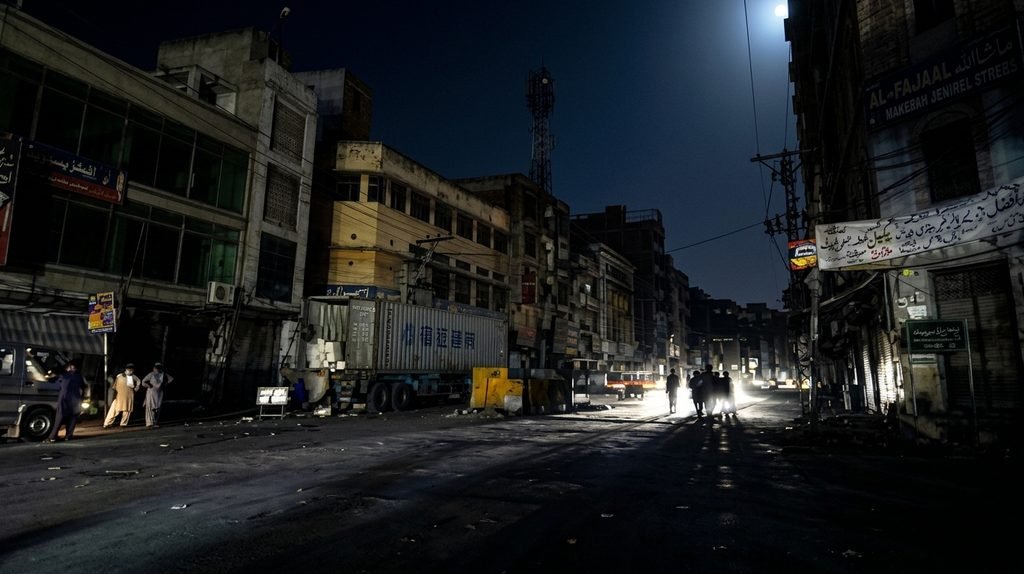
Why a Solar System for Load Shedding in Karachi Makes Sense
Let me start with the obvious reason. Karachi has long, hot, humid summers. A power cut is not just an inconvenience here. It affects sleep, work, studies, and sometimes even your health.
There is also the cost side. Many homes depend on generators or small UPS units. Fuel is expensive, generators are noisy, and UPS batteries wear out quickly. Solar gives you a cleaner and quieter option.
Karachi also receives strong sunshine for most of the year. That means your panels can produce useful power on most days. Because of this, a well-planned solar system can reduce your dependence on the grid and keep essential appliances running.
Which Solar System Works During Load Shedding?
This is the most important point, and many people get it wrong. There are three common system types, and they behave very differently during an outage.
On-Grid Solar System
An on-grid system is connected to the K-Electric grid and has no battery. It is good for reducing your electricity bill. However, it shuts down automatically when the grid fails. This is a safety feature, so it protects line staff who may be working on the network.
So if your main goal is backup during load shedding, an on-grid system alone will not help. You can learn more about it on our on-grid solar solutions page.
Off-Grid Solar System
An off-grid system works independently from the grid. It uses panels, an inverter, and batteries. It keeps your home running even when there is no electricity from K-Electric.
This option suits homes that face frequent or long outages. It also works for places with no grid connection. Our off-grid solar solutions page explains this setup in detail.
Hybrid Solar System
For most Karachi homes, a hybrid system is the practical choice. It stays connected to the grid and also has a battery. When the grid is available, your home uses solar first and the grid when needed. When load shedding starts, the battery takes over.
In short, a hybrid system gives you bill savings and backup together. If you want to see how it works, visit our hybrid solar system in Karachi page.
How to Choose the Right Size
Here is a simple way to think about sizing. Do not start with panels. Start with what you want to run during an outage.
Grab a pen and make a list of your essential appliances. For example, you may want lights, fans, a fridge, Wi-Fi, a TV, and a laptop. Then note how many hours you need each one.
After that, think about heavy appliances separately. An air conditioner, a water pump, or an iron uses a lot of power. Running them on battery needs a much larger system, and the cost goes up quickly.
A good installer will check three things before suggesting a system:
- Your total load in watts
- Your daily energy use in units
- The number of load shedding hours you usually face
Because every home is different, avoid copying a neighbor’s system. Their usage may be very different from yours. You can also try our solar calculator for Pakistan to get a rough idea first.
Batteries: The Heart of a Backup System
When you want a solar system with battery backup in Karachi, the battery decides how long your home stays powered. So it deserves extra attention.
There are two common choices. Tubular lead-acid batteries cost less at the start, but they need regular maintenance and usually have a shorter life. Lithium batteries cost more upfront. However, they are lighter, need almost no maintenance, and generally last longer.
Also, remember that a bigger battery is not always better. It should match your inverter and your daily usage. An installer should explain this clearly, instead of just selling the largest option.
Things Karachi Homes Should Keep in Mind
Karachi is a coastal city, and that affects solar systems in some specific ways.
First, dust and salty air settle on panels over time. This reduces output, so regular cleaning matters. Our cleaning and maintenance service is built for exactly this.
Second, strong winds and humidity can damage poor-quality structures. A sturdy mounting structure with proper coating is not optional here.
Third, roof space and shade matter. A water tank, a nearby building, or a boundary wall can reduce production. A site visit helps you avoid unpleasant surprises.
Finally, good earthing and protection devices are essential. Poor wiring is a safety risk, and it can also damage your inverter.
What About Net Billing?
If you plan to send extra solar electricity to K-Electric, the rules matter. New applicants are now processed under a net billing framework instead of the older net metering arrangement. So it helps to understand how this affects your savings.
We have explained this in our K-Electric net metering application guide. Please also confirm current requirements directly on the official K-Electric portal before you apply.
Common Mistakes to Avoid
Over the years, the same mistakes keep coming up. Here are the main ones:
- Buying an on-grid system and expecting backup. It will not run during an outage.
- Choosing only by price. Cheap equipment can cost you more later.
- Ignoring future needs. If you plan to add an AC next year, tell your installer now.
- Skipping maintenance. Dirty panels and neglected batteries lose performance.
- Working with an unverified vendor. Always check experience, warranty terms, and past projects.
How to Choose a Reliable Solar Installer in Karachi
A good installer will ask questions before giving a quote. They will check your bills, your appliances, and your roof. They will also explain the warranty on panels, inverters, and batteries in writing.
If someone promises a huge saving without asking about your usage, be careful. Honest advice may sound less exciting, but it protects your money.
FAQs
Can solar run my home during load shedding?
Yes, but only if your system has a battery, such as a hybrid or off-grid system. A plain on-grid system will switch off during an outage.
Can I run an AC on a solar system during load shedding?
It is possible, but it needs a larger inverter, more panels, and a bigger battery bank. Many families power essentials on battery and run the AC mainly in daytime solar hours.
How long will the battery last during an outage?
It depends on battery capacity and what you connect. A small load like fans and lights can run for hours. Heavy appliances drain the battery much faster.
Is a hybrid system better than an off-grid system?
For most homes with a K-Electric connection, hybrid is more flexible. Off-grid suits places with no grid or extremely unreliable supply.
Final Thoughts
A solar system for load shedding in Karachi is a smart investment when you choose the right type and size. Start with your real needs, pick a system that includes battery backup, and work with an installer who explains things honestly.
At A&Z Solar Energy, we help Karachi homes and businesses plan solar systems that fit their usage and budget. Visit our solar panel installation page or contact us for a free consultation.